



Tinnitus Severity Assessment
Tinnitus Severity Assessment
This self-assessment is designed to help you understand how much tinnitus is affecting your daily life—your sleep,
concentration, mood, and overall quality of life. Your responses can be a helpful starting point for a
conversation with our tinnitus specialists.
How to Use This Assessment
This tool gives a snapshot of how bothersome tinnitus feels right now. It is not a diagnosis and
does not replace a full evaluation. However, it can help you:
- Clarify how often tinnitus is on your mind
- See which areas of life are most affected (sleep, mood, concentration, hearing)
- Decide whether it’s time to seek professional help
- Track changes over time as you try different treatments
This assessment is for educational purposes only. It does not diagnose medical conditions or
replace care from a physician or audiologist. If you have sudden tinnitus, tinnitus in one ear only, sudden
hearing loss, dizziness, or neurologic symptoms, please review
When to See a Doctor About Tinnitus and seek prompt care.
For background on tinnitus before you begin, you may find these pages helpful:
What Is Tinnitus?,
Do I Have Tinnitus?, and
Tinnitus Causes & Triggers.
Tinnitus Severity Questions
For each question, choose the answer that best describes your experience over the past two weeks.
You can adapt this structure into a form plugin (Gravity Forms, WPForms, etc.) or use it as an on-page checklist
to discuss with your provider.
How to Interpret Your Score
These ranges are for general guidance only. Even a “lower” score can feel very distressing, and a “higher” score
doesn’t mean things cannot improve.
0–7: Mild Impact
Tinnitus is present but only occasionally bothersome. You may notice it more in quiet environments or during
stressful times. Educational resources like
What Is Tinnitus? and
Simple Steps to Protect and Preserve Your Hearing
may be helpful, along with annual
hearing tests.
8–15: Moderate Impact
Tinnitus regularly affects concentration, sleep, or mood. This is a good time to schedule a tinnitus-focused
evaluation and explore treatments such as
sound therapy,
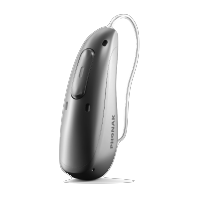
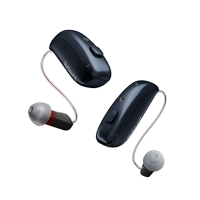
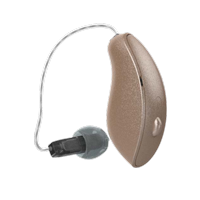
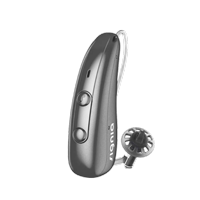
hearing aids for tinnitus, or
CBT for tinnitus.
16–24: Significant Impact
Tinnitus may be dominating your thoughts, disrupting sleep, and limiting daily activities. A comprehensive
evaluation and structured treatment plan—such as
Tinnitus Retraining Therapy (TRT) or
advanced options like Lenire®—can make a
meaningful difference. Our article
Tinnitus Treatment Options in Palo Alto: What Actually Works?
shows how different therapies fit together.
No matter your score, if tinnitus is causing distress, you deserve support. Many people experience improvement
with the right combination of education, sound therapy, and counseling over time. To understand the bigger
picture, review Comprehensive Tinnitus Treatment Options and
Can Tinnitus Go Away on Its Own?.
When to Seek Professional Care
You should consider scheduling a tinnitus evaluation if:
- Your score falls in the moderate or significant range
- Tinnitus has lasted more than a few weeks and is getting harder to ignore
- Sleep, concentration, or mood are noticeably affected
- You feel anxious, panicked, or depressed because of tinnitus
Call your doctor or seek urgent medical care if:
- Tinnitus starts suddenly without a clear cause
- Tinnitus is only in one ear (see Ringing in One Ear)
- You have sudden hearing loss, dizziness, or neurologic symptoms
- You hear a pulsing sound in time with your heartbeat
Learn more in When to See a Doctor About Tinnitus. For a quick
overview of whether your symptoms might truly be tinnitus, see
Do I Have Tinnitus?.
Frequently Asked Questions About the Assessment
No. This tool helps describe how bothersome tinnitus feels, but it does not diagnose medical conditions or
replace an in-person evaluation. For diagnosis and personalized care, a comprehensive tinnitus and hearing
assessment is needed.
Many patients repeat the assessment every few weeks or months, especially after starting new treatments like
sound therapy, hearing aids,
CBT, or
TRT. Tracking scores over time can show patterns and
progress.
A “mild” score does not minimize your experience. If tinnitus makes you anxious or keeps you from enjoying
life, you still deserve support. Our page
Coping with Tinnitus Anxiety and
Managing Tinnitus at Night can be good starting points.
Absolutely. Many patients print their responses or bring their scores to appointments. This can make it easier
to discuss how tinnitus affects your daily life and to choose appropriate treatment options together.
Next Steps After Your Assessment
Your score is a starting point, not the final word. Tinnitus can feel overwhelming, but it is
highly manageable with the right tools and guidance. At California Hearing Center, we combine medical evaluation,
advanced hearing technology, and counseling-based approaches to create a plan that fits you.
You can explore:
Set Up Your FREE Hearing Consultation with an Expert Today
SEE A HEARING DOCTOR IN SAN MATEO
San Mateo – Main Office
88 N. San Mateo Drive
San Mateo, CA 94401
Phone: (650) 342-9449
Fax: (650) 342-4435