



Tinnitus Retraining Therapy (TRT)
Tinnitus Retraining Therapy (TRT) in the Bay Area
Tinnitus Retraining Therapy (TRT) is an evidence-based approach that combines sound therapy and counseling to help
your brain reclassify tinnitus as a neutral, background sound. Over time, this can dramatically reduce how much
ringing in the ears affects your day-to-day life.
What Is Tinnitus Retraining Therapy?
Tinnitus Retraining Therapy (TRT) is a structured program that aims to help you stop reacting
to tinnitus as a threat so your brain can gradually tune it out. Instead of chasing a quick “cure,” TRT focuses on
changing how your auditory system and emotional centers respond to the noise.
TRT was originally developed by Dr. Pawel Jastreboff and has been used worldwide for decades. At its core, TRT
combines:
- Sound therapy – gentle background sound or hearing-aid-based sound enrichment
- Counseling & education – helping you understand tinnitus, reduce fear, and build new habits
If you’re new to tinnitus, you may want to start with
What Is Tinnitus? and
Tinnitus & Hearing Loss Connection, then come back here for
a deeper dive into TRT specifically.
The goal of TRT is habituation—your brain no longer treats tinnitus as important, so it fades
into the background like a refrigerator hum. For many people, tinnitus becomes barely noticeable except in very
quiet moments.
How TRT Works: Sound Therapy + Counseling
In TRT, we look at tinnitus through two lenses:
the auditory system (sound) and the emotional system (how your brain feels about the sound).
Sound Therapy
We use low-level sound—often through hearing aids, sound generators, or bedside devices—to reduce the contrast
between tinnitus and silence. Learn more about the tools we use on
Sound Therapy for Tinnitus.
Counseling & Education
We explain how tinnitus works, why your brain reacts the way it does, and how to gradually “de-threaten” the
sound. This often includes strategies similar to
Cognitive Behavioral Therapy (CBT).
Daily Habits & Lifestyle
We coach you on sleep, stress, and sound habits that support habituation. See
Coping with Tinnitus Anxiety,
Managing Tinnitus at Night, and
Lifestyle & Diet Tips.
The counseling side of TRT also addresses common fears (“Is my tinnitus a sign of something serious?”) and
corrects myths you may have picked up online. If you’re worried about when to seek medical help, visit
When to See a Doctor About Tinnitus.
Who Is a Good Candidate for TRT?
TRT may be a good fit if:
- You’ve had persistent tinnitus for more than 6 months
- Ringing, buzzing, or hissing is affecting your sleep, focus, or mood
- You feel you “can’t stop listening to the noise” or constantly monitor it
- You worry that tinnitus is a sign of something dangerous even though serious causes have been ruled out
- You’re open to a structured program and willing to give it time
Many patients come to TRT after trying basic tips without progress—or after reading everything online and still
feeling stuck. For an early checkpoint, you can start with:
Do I Have Tinnitus? and
Tinnitus Severity Assessment.
If your tinnitus is sudden, in one ear only, or comes with sudden hearing loss,
dizziness, or neurologic symptoms, it’s important to be medically evaluated first. See
When to See a Doctor About Tinnitus and
Ringing in One Ear: Unilateral Tinnitus.
What TRT Looks Like Step-by-Step
While every plan is personalized, a typical TRT journey at California Hearing Center includes:
Step 1: Comprehensive Evaluation
We begin with a detailed tinnitus and hearing evaluation, including
hearing tests, tinnitus history, and a discussion of triggers, sleep, stress,
and how tinnitus affects your life.
Step 2: Individualized Treatment Plan
Based on your profile, we recommend:
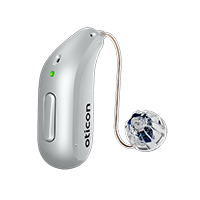
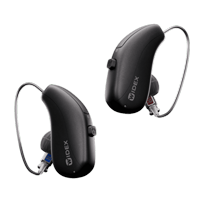
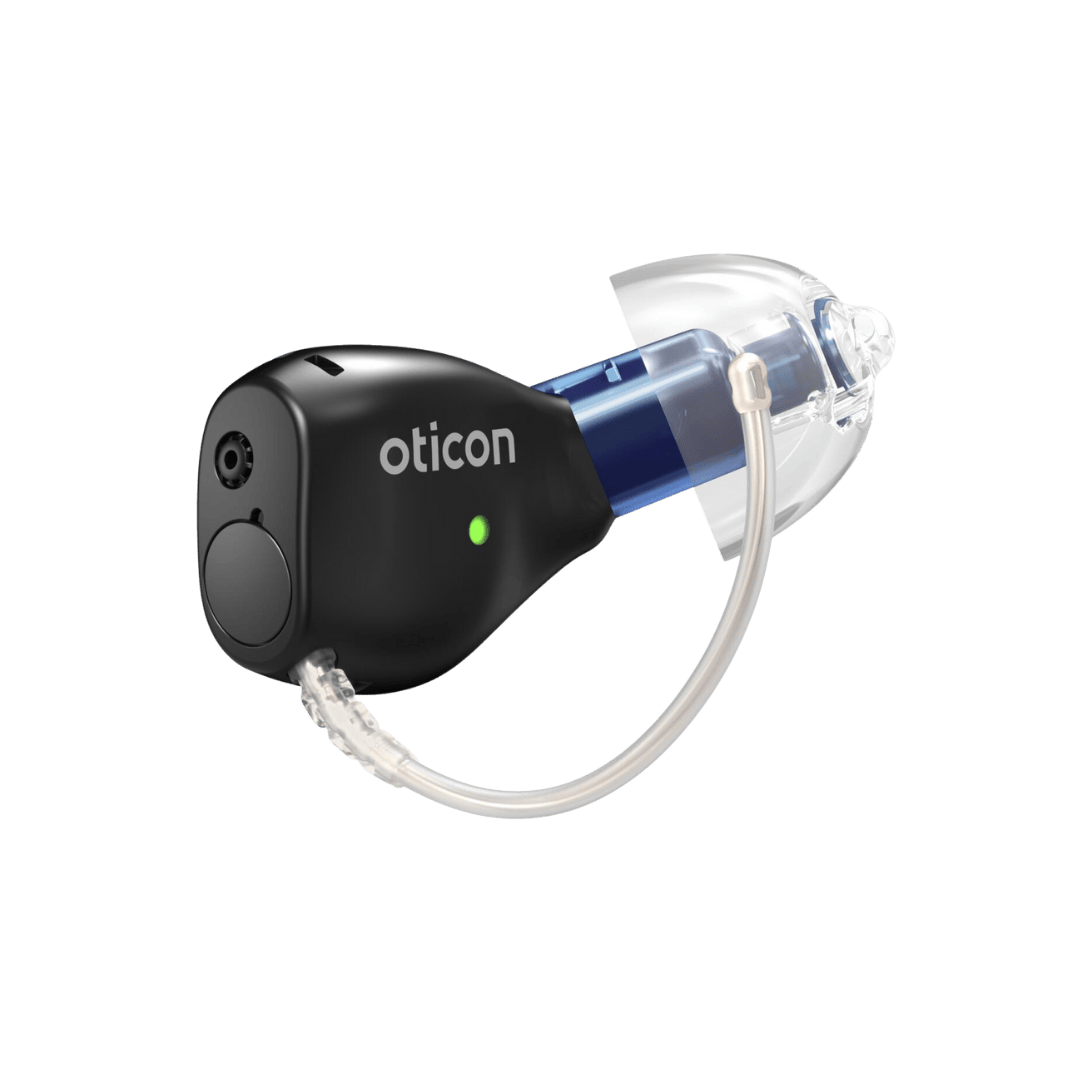
hearing aids for tinnitus,
sound therapy, counseling frequency, and any additional tools like
tinnitus apps or relaxation strategies.
Step 3: Initial TRT Counseling Session
We explain how tinnitus is generated, how the brain’s emotional centers amplify distress, and why habituation
is possible. This is also where we review your questions, fears, and goals.
Step 4: Sound Therapy Setup
We program hearing aids, sound generators, or other devices to provide the right level and type of sound
enrichment. Many patients use the same tools described on
Tinnitus Treatment Options in Palo Alto
.
Step 5: Regular Follow-Up & Adjustments
Follow-up visits allow us to adjust sound therapy, revisit counseling topics, and make sure your plan is
actually working in real life—not just on paper.
For more on what our visits feel like in practice, see
What to Expect at Your Tinnitus Appointment and
Tinnitus Therapy Services.
How Long Does TRT Take?
TRT is a gradual process. Most structured programs are designed to last
12–24 months, with the most noticeable improvements often appearing within the first 6–12 months.
- Early phase: Understanding tinnitus and reducing fear
- Middle phase: Habituation begins; tinnitus feels less “urgent” and intrusive
- Later phase: Tinnitus is present but rarely bothersome; your brain mostly ignores it
Everyone’s starting point is different. People with very high stress or long-standing tinnitus may need more time,
especially if there are flare-ups related to life changes. If you’re wondering about the long-term outlook, visit
Is My Tinnitus Permanent? and
Can Tinnitus Go Away on Its Own?.
TRT vs Other Tinnitus Treatments
TRT is one tool in a full tinnitus toolbox. It works especially well when combined with:
- Hearing aids for tinnitus
- Sound therapy during the day and at night
- CBT-based counseling for anxiety and negative thoughts
- Stress and anxiety management
- Sleep strategies
Other approaches, like medication, supplements, or “quick-fix” gadgets, often promise fast relief without
addressing the brain’s learning process. TRT is designed to create lasting changes in how you
perceive tinnitus.
For location-specific overviews, you can also read:
Tinnitus Treatment Options Near Atherton’s Lindenwood Neighborhood
and
Tinnitus Treatment Options in Palo Alto: What Actually Works?
.
TRT, Lenire® & Advanced Options
Some patients are good candidates for additional therapies like Lenire®, a neuromodulation device
that pairs sound with gentle tongue stimulation. At our clinic, Lenire is offered through
Dr. Emily McMahan’s tinnitus therapy program.
TRT principles still apply when we introduce advanced options:
- We evaluate your tinnitus history, hearing, and goals
- We discuss expectations and timelines honestly
- We often blend Lenire, TRT-style counseling, and
hearing-aid-based sound therapy
Not everyone needs Lenire or full TRT. Some people do well with targeted counseling, sound therapy, and
lifestyle changes alone. Your plan is always individualized.
Frequently Asked Questions About TRT
TRT is not a cure in the sense of “turning tinnitus off,” but it can drastically reduce how much tinnitus
bothers you day to day. Many patients reach a point where they rarely think about it, even if a faint sound
is still present in very quiet settings.
During your evaluation, we’ll review all
treatment options and talk through your goals, history, and
lifestyle. Some patients start with sound therapy and CBT-style counseling; others benefit from a more
formal TRT structure or Lenire evaluations.
Yes. Stress and tinnitus are closely linked. TRT specifically addresses the emotional “alarm system” around
tinnitus, and we often pair it with strategies from
Coping with Tinnitus Anxiety and articles like
Can Stress Make Tinnitus Worse?
.
It can. We’ll first make sure unilateral tinnitus has been properly evaluated (see
Ringing in One Ear), then design sound and counseling strategies that
fit your specific situation.
Next Steps for Bay Area Patients
If you’re tired of tinnitus running the show—and ready for a more structured, evidence-based plan—TRT may be a
strong option. The first step is a focused tinnitus evaluation so we can understand what’s driving your symptoms
and which tools (TRT, Lenire, hearing aids, CBT, or a combination) are likely to help.
You can also explore:
Set Up Your FREE Hearing Consultation with an Expert Today
SEE A HEARING DOCTOR IN SAN MATEO
San Mateo – Main Office
88 N. San Mateo Drive
San Mateo, CA 94401
Phone: (650) 342-9449
Fax: (650) 342-4435