



Sound Therapy
Sound Therapy for Tinnitus: Soften the Ringing, Support Your Brain
Sound therapy doesn’t try to “drown out” tinnitus with louder noise. Instead, it adds gentle sound that helps
your brain relax, makes tinnitus less noticeable, and supports long-term habituation. Here’s how we use sound
therapy with Bay Area patients.
What Is Sound Therapy for Tinnitus?
Sound therapy is any use of external sound to change how you perceive and react to tinnitus.
Instead of listening to a loud, isolated ringing in a quiet room, you hear a more comfortable, blended sound
environment—often described as “taking the edge off.”
Sound therapy is a key pillar of many tinnitus programs, including
Tinnitus Retraining Therapy (TRT),
hearing aids for tinnitus, and the protocols we use in
Lenire® tinnitus therapy clinics.
It can be delivered through hearing aids, bedside devices, speakers, or apps.
The goal of sound therapy is not to “blast away” tinnitus. It’s to give your brain a steady, neutral sound
background so the ringing becomes less front-and-center—and eventually, less emotionally charged.
If you’re just starting your research, you may want to review
What Is Tinnitus? and
Tinnitus Treatment Options first, then return here for deeper detail.
How Sound Therapy Helps Your Brain
Tinnitus becomes most distressing when your brain labels it as a “threat” and pays constant attention to it. Sound
therapy works on several levels:
- Masking – Partially covers tinnitus with more pleasant sound so it feels quieter.
- Sound enrichment – Adds gentle background sound, reducing the contrast between tinnitus and silence.
- Attention shift – Gives your brain something else to focus on instead of the ringing.
- Habituation support – Over time, your brain learns that tinnitus is not dangerous and gradually tunes it out.
This is why sound therapy often pairs well with CBT and
anxiety management strategies—you’re helping both the auditory and
emotional sides of tinnitus at the same time.
Types of Sound Therapy We Use
There is no single “best” sound therapy. We often combine several approaches and adjust over time based on your
feedback and progress.
Broadband Noise (White, Pink, Brown)
Gentle, static-like noise that helps reduce contrast between tinnitus and quiet. Pitch and intensity can be
tuned to your comfort level.
Nature & Environmental Sounds
Ocean waves, rain, streams, or soft ambient sounds that many people find more relaxing than pure noise.
Hearing-Aid-Based Sound Therapy
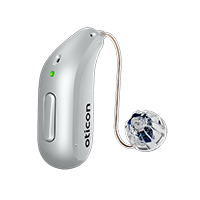
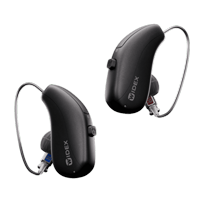
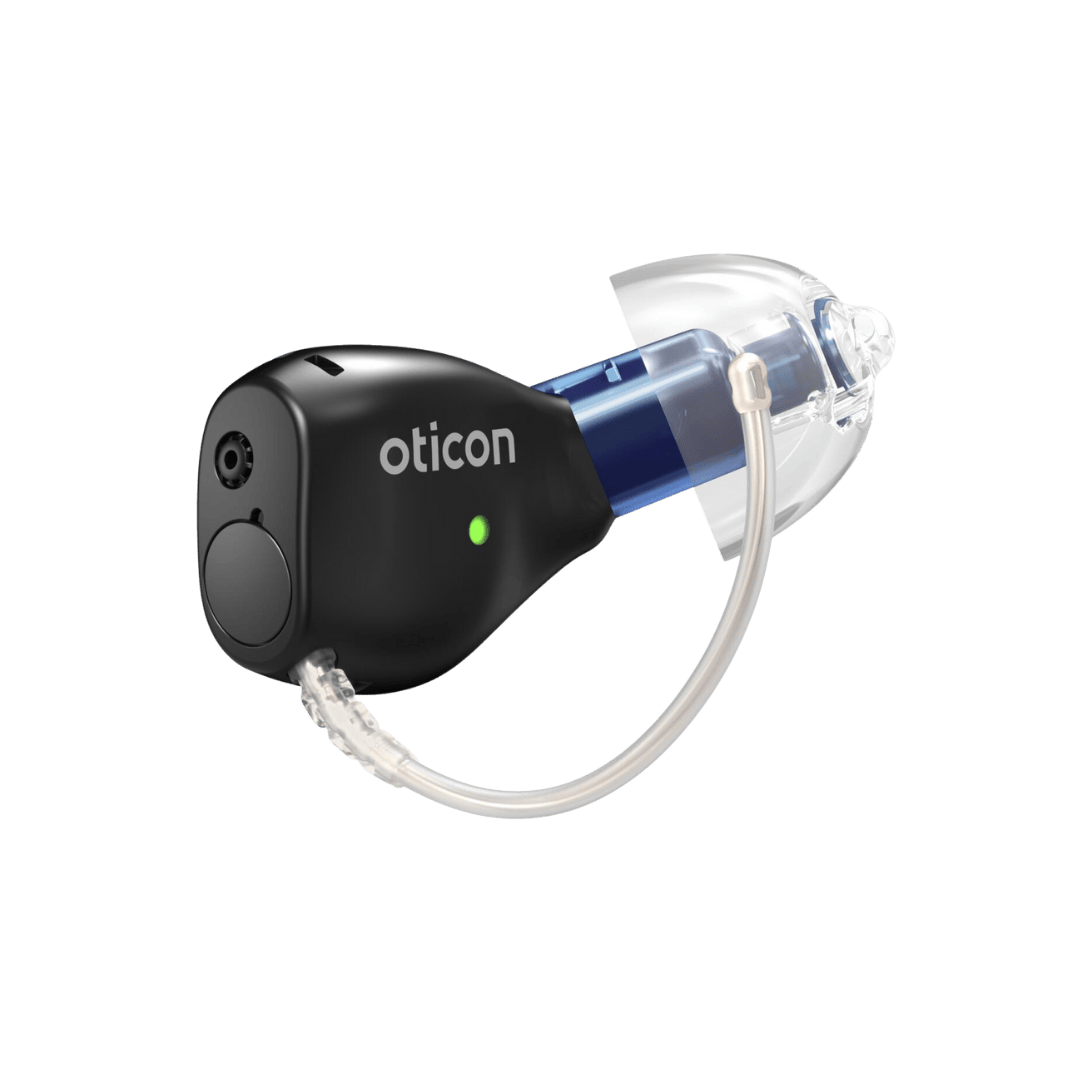
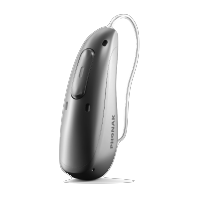
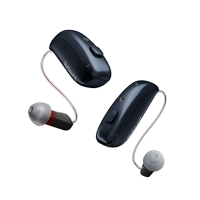
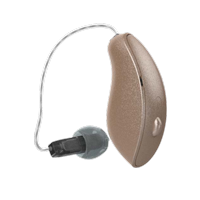
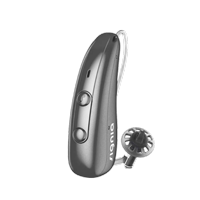
Many modern hearing aids include dedicated tinnitus programs and sound generators. These are especially useful
when tinnitus and hearing loss occur together.
Combination Therapy (TRT)
Sound therapy combined with counseling and education as part of
Tinnitus Retraining Therapy, aimed at long-term habituation.
Notched or Tailored Sound
In some cases, sound can be shaped around your tinnitus pitch to reduce its prominence. This is chosen based
on your specific audiological profile.
Neuromodulation Support
Devices like Lenire® combine sound with additional stimulation (such as the tongue), guided by tinnitus
specialists. Sound therapy is still one of the key ingredients.
We also use sound therapy principles when helping patients with
tinnitus in one ear (unilateral tinnitus) and complex cases involving
Meniere’s disease or TMJ.
Daytime vs Nighttime Sound Therapy Strategies
Tinnitus often behaves differently during the day and at night, so we typically design separate strategies.
Daytime Strategies
- Using hearing aids with tinnitus programs during work, errands, or social time
- Playing low-level background sound in quiet offices or home environments
- Pairing sound therapy with focused tasks to reduce how “sticky” tinnitus feels
- Using sound breaks strategically during spikes or stressful moments
Nighttime & Sleep Strategies
Quiet nights can be the hardest for tinnitus. Common options include:
- Bedside sound machines with adjustable volume and timers
- Small speakers near your bed or under the pillow
- TV or podcasts on a timer (with volume low enough to protect hearing)
- Night-specific programs in hearing aids when appropriate
For a deeper dive, see Managing Tinnitus at Night and
Best Tinnitus Relief Apps. If stress is part of the picture, you may also find
Can Stress Make Tinnitus Worse?
helpful.
Devices, Apps & Hearing Aids for Sound Therapy
Sound therapy is not one device you buy—it’s a toolkit. Depending on your needs, we might recommend:
Hearing Aids with Tinnitus Features
Many of the devices we fit include customizable sound programs and streaming options. Learn more at
Hearing Aids for Tinnitus and
Can Hearing Aids Help Tinnitus?.
Bedside & Tabletop Sound Machines
Simple to use, especially for sleep. Can play noise, nature sounds, or gentle ambient audio all night long.
Smartphone Apps & Streaming
Tinnitus apps, relaxation tracks, and podcasts streamed through hearing aids or headphones. Explore ideas on
Best Tinnitus Relief Apps.
We’ll help you avoid overusing earbuds or headphones at unsafe volumes and balance sound therapy with hearing
protection, especially if noise exposure contributed to your tinnitus.
How We Build Your Sound Therapy Plan
At California Hearing Center, sound therapy is never “set it and forget it.” It’s tailored to your tinnitus
pattern, lifestyle, and goals. A typical plan includes:
Step 1: Evaluation
Comprehensive hearing testing, tinnitus history, and
Tinnitus Severity Assessment to understand your starting point.
Step 2: Strategy Design
We select sound types and delivery methods (hearing aids, devices, apps) that fit your daily routine and
preferences, and explain how they connect to your broader
treatment options.
Sound therapy often plays a role in our
Tinnitus Treatment Options in Palo Alto
and
Tinnitus Treatment Options Near Atherton’s Lindenwood Neighborhood
, and the same principles apply across the Bay Area.
Choosing the Right Sounds (Without Overthinking It)
Patients often ask, “What’s the best sound for tinnitus?” The honest answer: the best sound is the one
you can comfortably listen to—consistently—without irritation or boredom.
- Start with sounds you find neutral to pleasant, not distracting.
- Keep the volume below your tinnitus level at first, then adjust gradually.
- Avoid sounds that are too sharp, fast, or “busy.”
- Expect to tweak your favorites over time as your brain adapts.
- Use sound therapy in combination with breathing, relaxation, or CBT exercises.
Sound therapy should never be uncomfortably loud. If a sound ever causes ear pain, fullness, or more ringing,
lower the volume and let us know. We’ll help you find safer, more comfortable settings—especially if you also
have sound sensitivity (hyperacusis or misophonia).
Common Questions About Sound Therapy for Tinnitus
How long before I notice a difference?
Some people feel calmer within days or weeks of using sound therapy; for others, improvement builds gradually
over several months. Remember, we’re training your brain, not just covering a noise. For long-term outlook, see
Is My Tinnitus Permanent? and
Can Tinnitus Go Away on Its Own?.
Will sound therapy work if my tinnitus is very loud?
Many patients with severe tinnitus still benefit from sound therapy, especially when paired with
anxiety management and
CBT. We may start slowly and adjust the plan as you build
tolerance and familiarity.
Can I do sound therapy on my own?
There are plenty of DIY tools, but working with an audiologist helps you avoid common pitfalls (too loud, wrong
sounds, inconsistent use) and ensures sound therapy is integrated with a full tinnitus treatment plan rather than
used in isolation.
Does sound therapy help if I have tinnitus in only one ear?
Yes, but the approach may look different. We may use asymmetrical hearing aid fittings, directional sound sources,
or customized programs. Learn more in
Ringing in One Ear: Understanding Unilateral Tinnitus.
Next Steps for Bay Area Patients
If tinnitus is disrupting your sleep, focus, or peace of mind, sound therapy can be a gentle first step—or a
powerful addition to the care you already receive. The best way to know what will help you is to start with a
focused tinnitus and hearing evaluation.
You can also explore:
Set Up Your FREE Hearing Consultation with an Expert Today
SEE A HEARING DOCTOR IN SAN MATEO
San Mateo – Main Office
88 N. San Mateo Drive
San Mateo, CA 94401
Phone: (650) 342-9449
Fax: (650) 342-4435