




Tinnitus
What is Tinnitus? Understanding Ringing in the Ears
A comprehensive guide to tinnitus symptoms, causes, types, and what you need to know about this common hearing condition affecting millions of Bay Area residents.
What is Tinnitus? The Medical Definition
Tinnitus (pronounced "tin-NY-tus" or "TIN-ih-tus") is the perception of sound when no external sound is actually present. It's often described as ringing in the ears, but the sound can take many forms—buzzing, hissing, whistling, roaring, clicking, or even musical tones.
Tinnitus is not a disease itself, but rather a symptom of an underlying condition affecting your auditory system. Think of it like a check engine light in your car—it's a signal that something needs attention, whether that's hearing loss, ear damage, circulatory issues, or another health condition.
Only you can hear tinnitus sounds (subjective tinnitus) in most cases. This is what makes tinnitus particularly challenging—there's no external sound that others can measure or verify, making it a deeply personal experience.
Common Tinnitus Symptoms
People with tinnitus experience a wide range of symptoms and sound characteristics. Understanding your specific symptoms can help guide diagnosis and treatment.
Sound Descriptions
Tinnitus can manifest as different types of sounds:
- Ringing – The most commonly reported sound, often high-pitched
- Buzzing or humming – A constant electrical-like sound
- Hissing or static – Similar to white noise or radio static
- Roaring – A low-frequency rushing sound
- Clicking or pulsing – Rhythmic sounds that may match your heartbeat (see pulsatile tinnitus)
- Whistling or musical tones – Clear, tone-like sounds
Learn more about the different sounds in our guide: Types of Tinnitus Sounds
Additional Symptoms
Beyond the phantom sounds, tinnitus often comes with:
- Difficulty concentrating or focusing
- Sleep disturbances and insomnia
- Anxiety or depression related to the constant noise
- Difficulty hearing conversations, especially in noisy environments
- Fatigue from the mental effort of coping with the sound
- Sensitivity to loud sounds (hyperacusis)
If you're struggling with the emotional impact, read: Coping with Tinnitus Anxiety
Types of Tinnitus
Healthcare professionals classify tinnitus into two main categories:
Subjective Tinnitus
95% of cases. Only you can hear the sound. This type is usually related to auditory system damage from noise exposure, aging, or other inner ear problems. Most tinnitus falls into this category.
Objective Tinnitus
Less than 5% of cases. A doctor can actually hear the sound using a stethoscope. Often caused by blood vessel problems, muscle contractions, or inner ear bone conditions. This type is rare but may be more treatable.
Common Subtypes
Pulsatile Tinnitus: A rhythmic whooshing or thumping that matches your heartbeat. This type often indicates a vascular issue and should be evaluated promptly. Learn more about pulsatile tinnitus.
Somatic Tinnitus: Tinnitus that can be modified by jaw movement, neck position, or facial muscle contractions. Often linked to TMJ disorders or neck problems.
Musical Tinnitus: Rare form where people hear actual songs or melodies. More common in older adults with significant hearing loss.
What Causes Tinnitus?
Tinnitus has numerous potential causes. In many cases, it results from damage to the auditory system, but it can also stem from other health conditions.
Most Common Causes
Noise-Induced Hearing Loss
Prolonged exposure to loud sounds damages the delicate hair cells in your inner ear. Common in Bay Area tech workers using headphones, musicians, and construction workers.
Age-Related Hearing Loss
Natural hearing decline (presbycusis) typically begins around age 60. As hearing fades, the brain may generate phantom sounds to "fill in" missing frequencies.
Earwax Buildup
Excessive earwax pressing against the eardrum can cause tinnitus. Often easily treated with professional earwax removal.
Ear Infections
Middle or inner ear infections create pressure and fluid buildup that can trigger temporary tinnitus symptoms.
Medications
Over 200 medications can cause or worsen tinnitus, including high doses of aspirin, certain antibiotics, and some chemotherapy drugs. See medications that cause tinnitus.
Head or Neck Injuries
Trauma affecting the auditory nerves, inner ear structures, or brain areas responsible for hearing can result in tinnitus.
Other Medical Conditions
Tinnitus can also be associated with:
- Meniere's disease – Inner ear disorder causing vertigo and hearing loss
- TMJ disorders – Jaw joint problems affecting nearby ear structures
- High blood pressure or atherosclerosis – Blood flow issues
- Acoustic neuroma – Benign tumor on the auditory nerve
- Thyroid disorders – Hormonal imbalances
- Diabetes – Can affect blood flow to the ear
For a comprehensive list, visit: Tinnitus Causes & Triggers
Approximately 90% of people with tinnitus also have some degree of hearing loss, even if they're not aware of it. This is why a comprehensive hearing evaluation is essential for anyone experiencing tinnitus. When you have hearing loss, your brain receives less auditory input. In response, it may increase its internal "volume" or generate sounds to compensate—resulting in tinnitus. Treating the underlying hearing loss with hearing aids often significantly reduces tinnitus perception.
How Common is Tinnitus?
Tinnitus is remarkably common, affecting roughly 15-20% of the population. Here's what the statistics tell us:
- 50 million Americans experience some form of tinnitus
- 20 million struggle with burdensome chronic tinnitus
- 2 million have extreme, debilitating cases
- 1 in 3 adults over 65 develop ringing in their ears
- Prevalence increases significantly with age
In the Bay Area, tinnitus is particularly common among:
- Tech workers who use headphones extensively
- Musicians and those who frequent concerts at venues like the Chase Center or Bill Graham Civic Auditorium
- Construction workers and manufacturing employees
- Veterans and first responders
- Aging adults in communities like Palo Alto, Atherton, and Los Altos
When Should You See a Doctor About Tinnitus?
- Tinnitus appears suddenly without obvious cause
- Tinnitus is only in one ear (unilateral)
- You experience sudden hearing loss alongside tinnitus
- You have dizziness, vertigo, or balance problems
- Tinnitus is accompanied by severe headaches
- You hear your heartbeat in your ear (pulsatile tinnitus)
You should schedule a non-emergency appointment if:
- Tinnitus persists for more than a week
- The sound is affecting your sleep, work, or quality of life
- You're experiencing anxiety or depression related to tinnitus
- Tinnitus is getting progressively louder
- You notice any degree of hearing loss
Read our detailed guide: When to See a Doctor About Tinnitus
How is Tinnitus Diagnosed?
Diagnosing tinnitus involves a comprehensive evaluation to identify potential underlying causes and assess the impact on your hearing and quality of life.
What to Expect at Your Appointment
Medical History Review: Your audiologist will ask about:
- When the tinnitus started and whether it's constant or intermittent
- Description of the sound (pitch, volume, location)
- Potential triggers or what makes it worse/better
- Current medications and medical conditions
- Noise exposure history and lifestyle factors
- Impact on sleep, concentration, and emotional well-being
Physical Examination: Your provider will examine your ears for:
- Earwax buildup or blockages
- Signs of infection or inflammation
- Eardrum condition
- TMJ function and neck movement
Hearing Tests: Comprehensive audiological evaluation including:
- Pure-tone audiometry to measure hearing thresholds
- Speech testing to assess word recognition
- Tympanometry to evaluate middle ear function
- Otoacoustic emissions (OAE) testing
- Tinnitus pitch and loudness matching
Additional Testing (if needed):
- Blood tests to check for thyroid function, vitamin deficiencies, or other conditions
- MRI or CT scans to rule out tumors or vascular abnormalities (especially for pulsatile or unilateral tinnitus)
- Specialized vascular studies for suspected blood flow issues
Learn more: What to Expect at Your Tinnitus Appointment
Can Tinnitus Be Treated?
While there's currently no universal cure for tinnitus, the condition is highly manageable. Many people find significant relief through various treatment approaches, and most learn to habituate—meaning the brain learns to tune out the sound over time.
Treatment Success Depends on the Cause
Some types of tinnitus can be resolved:
- Earwax removal often eliminates tinnitus caused by blockages
- Treating ear infections resolves infection-related tinnitus
- Adjusting or stopping ototoxic medications (under medical supervision)
- TMJ treatment can reduce or eliminate jaw-related tinnitus
- Managing blood pressure or vascular conditions may help pulsatile tinnitus
For chronic tinnitus, effective management strategies include:
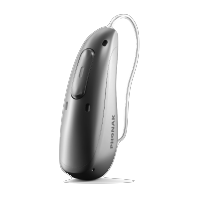
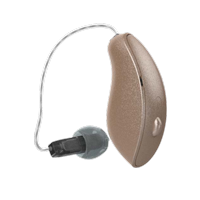
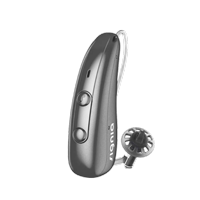
- Hearing aids – Often provide dramatic relief, especially when hearing loss is present
- Sound therapy – Uses external sounds to mask or retrain your response to tinnitus
- Tinnitus Retraining Therapy (TRT) – Combines sound therapy with counseling for long-term habituation
- Cognitive Behavioral Therapy (CBT) – Addresses the emotional response and distress
- Lifestyle modifications – Diet, stress management, and sleep hygiene improvements
Explore your options: Comprehensive Tinnitus Treatment Overview
Many people with chronic tinnitus experience habituation over time—a process where the brain learns to classify tinnitus as an unimportant background sound, similar to how you tune out the hum of a refrigerator or traffic noise. With proper treatment and coping strategies, most people reach a point where tinnitus no longer significantly impacts their daily life. Learn more: Understanding Tinnitus Habituation
Will My Tinnitus Go Away?
This depends on several factors:
- Temporary tinnitus (after a concert or noise exposure) often resolves within hours to days
- Acute tinnitus (lasting weeks to months) may resolve with treatment or naturally over time
- Chronic tinnitus (lasting 6+ months) typically persists but becomes more manageable with treatment
Read more: Is My Tinnitus Permanent? and Can Tinnitus Go Away on Its Own?
Set Up Your FREE Hearing Consultation with an Expert Today
SEE A HEARING DOCTOR IN SAN MATEO
San Mateo – Main Office
88 N. San Mateo Drive
San Mateo, CA 94401
Phone: (650) 342-9449
Fax: (650) 342-4435