




Getting new hearing aids can be both exciting and overwhelming. Whether this is your first pair or you’re upgrading to newer technology, understanding what to expect during your initial 30 days of hearing aid use is crucial for a successful adjustment period. This comprehensive guide will walk you through the typical experiences, challenges, and milestones you’ll encounter as your brain adapts to improved hearing.
Week 1: Initial Adjustment Period
The first week with your new hearing aids marks the beginning of your journey toward better hearing. During this crucial period, it’s normal to experience a range of sensations and emotions as your auditory system begins to readjust.
Common experiences during the first week include:
- Sounds may seem unnaturally loud or tinny
- Your own voice might sound different or echo-like
- Background noises become more noticeable
- Some discomfort or awareness of the hearing aids in your ears
- Mental fatigue from processing more auditory information
It’s important to remember that these sensations are completely normal. Your brain hasn’t processed certain sounds for an extended period, and now it’s working overtime to categorize and filter the newly accessible audio information. Many patients who have undergone hearing aid fitting at our clinic report feeling overwhelmed during this initial phase, but this typically improves significantly within the first few days.
Week 2: Building Tolerance and Comfort
By the second week, most new hearing aid users begin to notice improvements in their comfort level and sound processing. Your brain starts to adapt to the enhanced auditory input, and the initial shock of hearing previously missed sounds begins to subside.
What to expect in week two:
- Reduced awareness of the hearing aids’ physical presence
- Better speech recognition in quiet environments
- Improved ability to filter background noise
- More natural perception of your own voice
- Increased wearing time without fatigue
This is an excellent time to gradually increase your hearing aid wearing time. Start with a few hours per day and progressively extend the duration as comfort improves. If you’re experiencing persistent discomfort or technical issues, don’t hesitate to contact your hearing healthcare provider for adjustments.
Week 3: Fine-Tuning and Optimization
The third week typically brings more confidence in using your hearing aids and better adaptation to various listening environments. You may start noticing sounds you haven’t heard in years, from birds chirping to the subtle hum of appliances.
During this period, it’s crucial to:
- Practice active listening in different environments
- Experiment with various hearing aid settings if available
- Keep notes about challenging listening situations
- Schedule a follow-up appointment for any necessary adjustments
Many users find that professional fine-tuning during this phase significantly improves their overall experience. At calhearing.com, our audiologists specialize in optimizing hearing aid settings to match your specific lifestyle and hearing needs.
Week 4: Establishing New Hearing Habits
By the fourth week, most people have developed a comfortable routine with their new hearing aids. The adjustment period is largely complete, though continued improvement may occur over the following months.
Week four milestones typically include:
- Comfortable all-day wearing without fatigue
- Improved conversation abilities in moderate noise
- Better localization of sounds
- Established daily maintenance routines
- Increased confidence in social situations
Common Challenges and Solutions
While the adjustment process varies for each individual, certain challenges are commonly reported during the first 30 days. Understanding these potential issues and their solutions can help you navigate this period more successfully.
Physical Discomfort
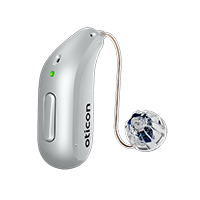
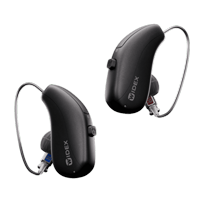
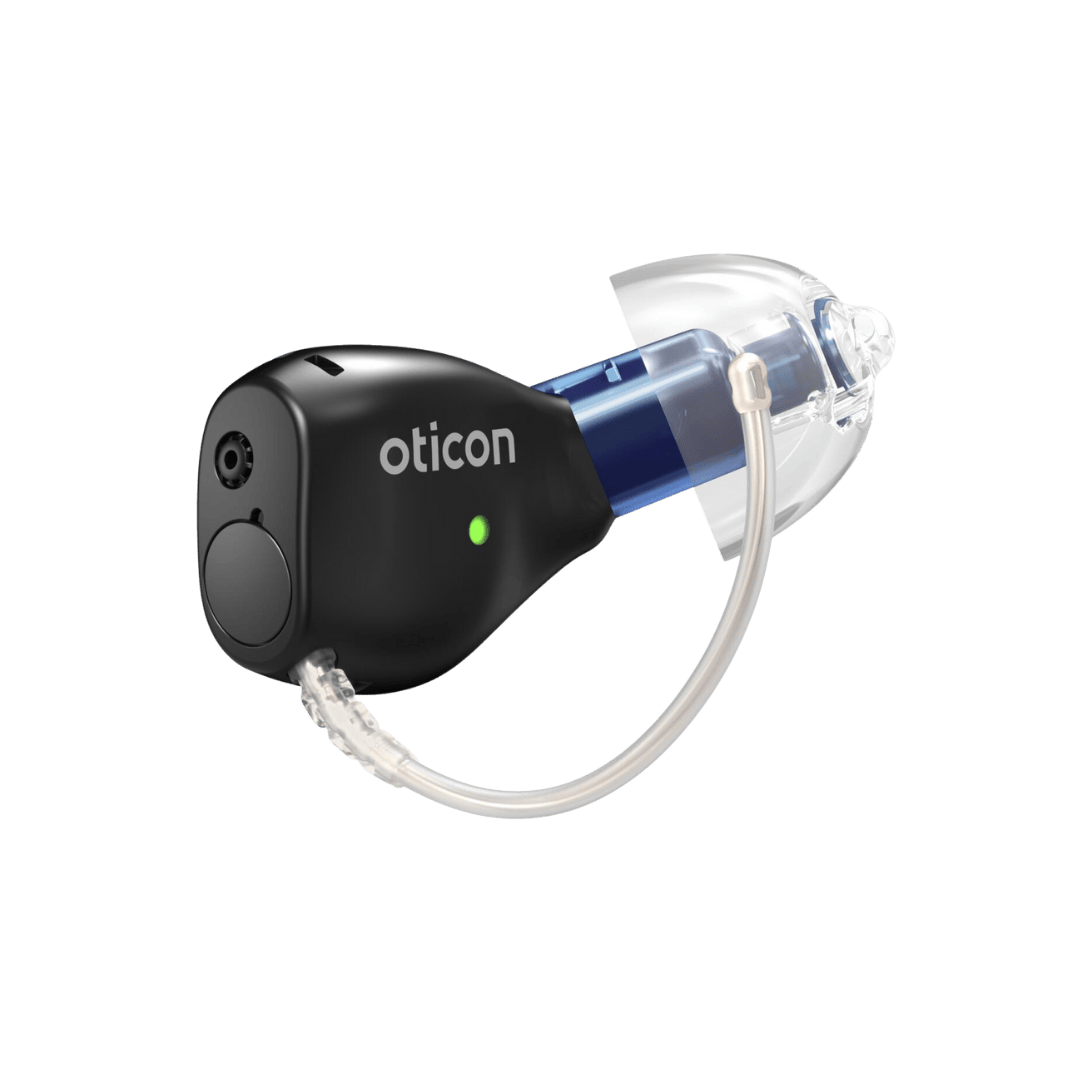
Some users experience soreness or irritation, especially with behind-the-ear or in-the-ear models. If discomfort persists beyond the first few days, contact your hearing healthcare provider for possible adjustments to the fit.
Sound Quality Concerns
Initial complaints about sound quality are normal, but persistent issues may require programming adjustments. Professional hearing testing and follow-up appointments ensure optimal performance.
Battery and Maintenance Issues
Learning proper hearing aid care and maintenance is essential. If you encounter technical problems, professional hearing aid repairs may be necessary.
About Cal Hearing Services
At Cal Hearing, we understand that the journey to better hearing extends far beyond the initial hearing aid purchase. Our comprehensive services are designed to support you throughout your entire hearing health journey.
Our expert services include:
- Professional hearing testing and evaluation
- Personalized hearing aid fitting and programming
- Comprehensive tinnitus therapy options
- Custom hearing protection solutions
- Professional hearing aid repairs and maintenance
We proudly serve communities throughout our region, and you can learn more about the areas we serve on our website. Our team is committed to providing ongoing support, education, and resources to ensure your success with hearing aids.
Tips for Success During Your First Month
Maximizing your success during the initial 30-day period requires patience, realistic expectations, and proactive communication with your hearing healthcare provider.
Essential tips for new hearing aid users:
- Wear your hearing aids consistently, gradually increasing duration
- Practice listening in quiet environments before tackling noisy situations
- Keep a hearing diary to track progress and challenges
- Attend all scheduled follow-up appointments
- Ask questions and communicate concerns promptly
- Be patient with yourself and the adjustment process
When to Seek Professional Help
While some adjustment challenges are normal, certain situations warrant immediate professional attention. Contact your hearing healthcare provider if you experience:
- Persistent pain or irritation after the first week
- Significant feedback or whistling sounds
- Complete inability to tolerate the hearing aids
- Technical malfunctions or battery issues
- No improvement in hearing after two weeks
For additional information and resources about hearing health and hearing aid success, visit our comprehensive resources section and blog for the latest insights and tips.
Looking Beyond the First Month
Remember that hearing aid success is a journey, not a destination. While the first 30 days are crucial for initial adjustment, continued improvement often occurs over several months as your brain fully adapts to enhanced hearing capabilities.
Regular follow-up care, proper maintenance, and ongoing communication with your hearing healthcare provider are essential for long-term success. Many users find that their hearing aids become an seamless part of their daily routine, significantly improving their quality of life and communication abilities.
Your commitment to better hearing deserves professional support every step of the way. If you’re considering hearing aids or need assistance with your current devices, our experienced team is here to help guide you toward optimal hearing health.
Ready to take the next step in your hearing journey? Contact us today to schedule your consultation and discover how we can help you achieve the best possible hearing experience.