








Tinnitus affects millions of Americans, creating persistent ringing, buzzing, or humming sounds in the ears that can significantly impact quality of life. For residents of Atherton dealing with this challenging condition, understanding the relationship between stress and tinnitus is crucial for effective management and treatment.
Understanding the Stress-Tinnitus Connection
Research consistently shows that stress can indeed make tinnitus worse. This relationship creates what many audiologists refer to as a “vicious cycle” – tinnitus causes stress, and increased stress levels can intensify tinnitus symptoms. For Atherton patients experiencing this frustrating loop, professional tinnitus therapy can provide significant relief.
When we experience stress, our bodies release cortisol and other stress hormones that can affect the auditory system. These physiological changes may increase the perception of tinnitus sounds, making them seem louder or more intrusive than usual. Additionally, stress often leads to muscle tension in the neck and jaw areas, which can further exacerbate tinnitus symptoms.
How Stress Impacts Tinnitus Symptoms
The ways stress affects tinnitus are multifaceted and can vary from person to person. Understanding these mechanisms helps Atherton residents better manage their condition:
- Heightened awareness: Stress increases our focus on bothersome sounds, making tinnitus more noticeable
- Sleep disruption: Stress-related insomnia can worsen tinnitus perception the following day
- Blood pressure changes: Stress-induced hypertension can intensify pulsatile tinnitus
- Muscle tension: Jaw clenching and neck stiffness from stress can trigger or worsen tinnitus
- Reduced coping ability: High stress levels diminish our natural ability to adapt to tinnitus sounds
Common Stress Triggers for Tinnitus Patients
Atherton residents should be aware of common stress triggers that may worsen their tinnitus symptoms. Identifying these triggers is the first step toward effective management:
- Work-related pressure and deadlines
- Financial concerns and economic uncertainty
- Relationship difficulties and family conflicts
- Health worries beyond tinnitus
- Sleep deprivation and fatigue
- Major life changes such as moving or job loss
- Chronic pain or other medical conditions
Effective Stress Management Strategies
Managing stress effectively is crucial for tinnitus relief. Atherton patients can implement several evidence-based strategies to reduce stress and subsequently minimize tinnitus symptoms:
Relaxation Techniques
- Deep breathing exercises to activate the body’s relaxation response
- Progressive muscle relaxation to reduce physical tension
- Meditation and mindfulness practices to improve stress resilience
- Yoga and gentle stretching to combine physical and mental relaxation
Lifestyle Modifications
Simple changes to daily routines can significantly impact both stress levels and tinnitus symptoms:
- Maintaining a consistent sleep schedule
- Regular exercise to reduce stress hormones
- Limiting caffeine and alcohol consumption
- Eating a balanced diet rich in nutrients
- Creating quiet, peaceful environments at home
Professional Treatment Options
While self-management strategies are important, professional treatment often provides the most comprehensive relief for stress-related tinnitus. At Cal Hearing, we understand the complex relationship between stress and tinnitus, offering specialized care for Atherton residents.
Comprehensive Hearing Evaluation
The first step in addressing tinnitus is thorough hearing testing to identify any underlying hearing loss that may contribute to tinnitus symptoms. Our audiologists use advanced diagnostic equipment to assess your hearing health and develop personalized treatment plans.
Tinnitus Therapy Services
Our tinnitus therapy programs combine multiple approaches to address both the auditory and psychological aspects of tinnitus. These may include:
- Tinnitus retraining therapy (TRT)
- Cognitive behavioral therapy techniques
- Sound therapy and masking
- Stress management counseling
When to Seek Professional Help
Atherton residents should consider professional tinnitus treatment when:
- Tinnitus significantly impacts daily activities or sleep
- Stress levels remain high despite self-management efforts
- Symptoms worsen or change in character
- Depression or anxiety develops alongside tinnitus
- Hearing changes accompany tinnitus symptoms
Cal Hearing Services for Atherton Residents
At Cal Hearing, we provide comprehensive audiological care specifically designed to address the unique needs of tinnitus patients in Atherton and surrounding communities. Our services include:
- Comprehensive hearing testing using state-of-the-art equipment
- Specialized tinnitus therapy programs tailored to individual needs
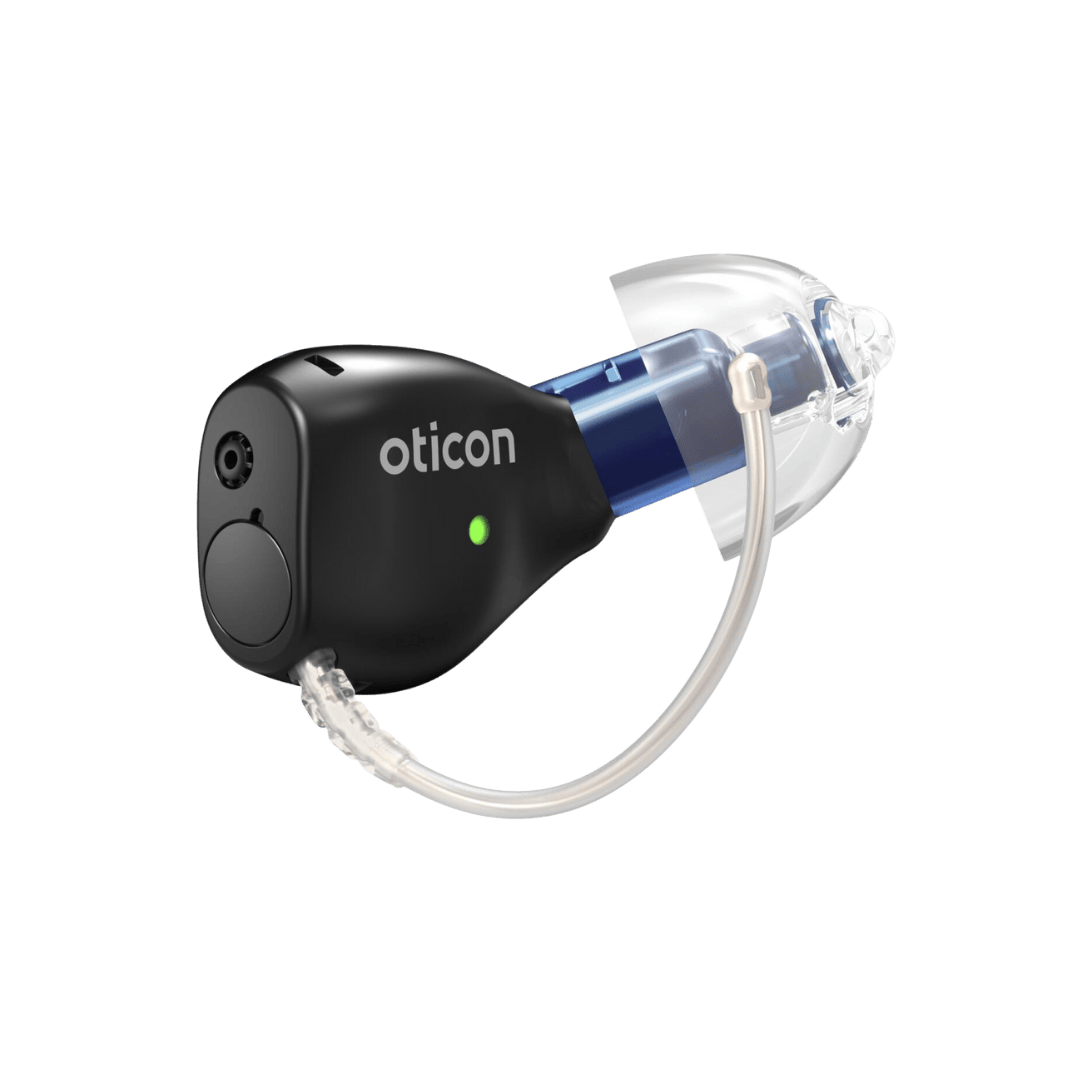
- Professional hearing aid fitting for those with hearing loss
- Custom hearing protection to prevent further damage
- Expert hearing aid repairs and maintenance
We proudly serve patients throughout the Bay Area, and you can learn more about our coverage in areas we serve. Our commitment extends beyond treatment to education, which is why we maintain extensive resources and regularly update our blog with valuable information for our patients.
Creating a Comprehensive Management Plan
Effective tinnitus management requires a multifaceted approach that addresses both stress reduction and auditory symptoms. Working with experienced audiologists helps ensure that all aspects of your condition receive proper attention. This comprehensive approach often includes:
- Medical evaluation to rule out underlying conditions
- Hearing assessment to identify any hearing loss
- Stress evaluation to understand individual triggers
- Treatment planning tailored to specific needs and lifestyle
- Ongoing support and therapy adjustments as needed
The Importance of Early Intervention
For Atherton residents experiencing stress-related tinnitus, early intervention can prevent symptoms from becoming more severe or chronic. The sooner patients begin addressing both stress management and tinnitus treatment, the better their long-term outcomes tend to be.
Research shows that patients who receive professional tinnitus care within the first few months of symptom onset often experience more significant improvement than those who wait longer to seek treatment. This underscores the importance of not dismissing tinnitus as something you simply have to “live with.”
Building Long-Term Success
Managing the relationship between stress and tinnitus is typically an ongoing process rather than a one-time treatment. Successful management often involves:
- Regular follow-up appointments with audiological professionals
- Consistent application of stress management techniques
- Lifestyle modifications that support overall health
- Community support through tinnitus support groups
- Continued education about tinnitus and stress management
The relationship between stress and tinnitus is complex but manageable with the right approach and professional support. Atherton residents dealing with these interconnected challenges don’t have to face them alone. Understanding how stress impacts tinnitus symptoms empowers patients to take control of their condition and work toward meaningful relief.
If you’re experiencing stress-related tinnitus symptoms and live in the Atherton area, professional help is available. The audiologists at Cal Hearing specialize in comprehensive tinnitus management that addresses both the auditory and psychological aspects of this challenging condition.
Don’t let stress and tinnitus continue to impact your quality of life. Contact Cal Hearing today to schedule a comprehensive evaluation and begin your journey toward better hearing health and reduced tinnitus symptoms.